ACF Pro Lifetime License Drama: What Actually Happened
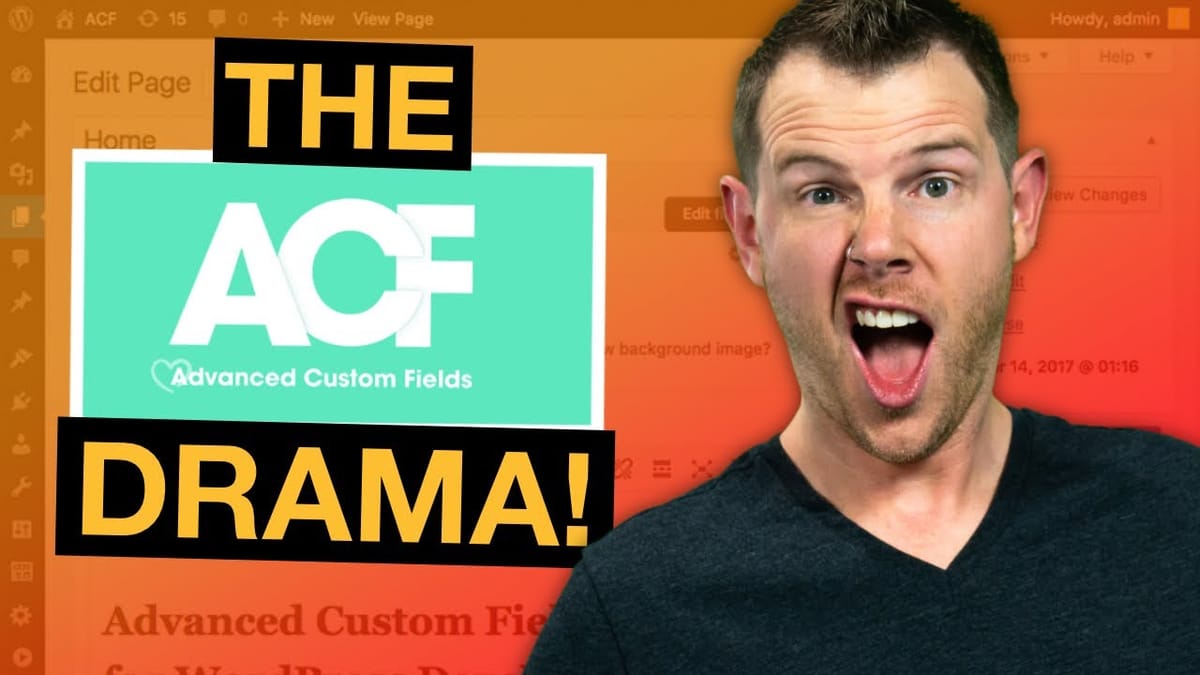
Delicious Brains sent a controversial email to ACF Pro lifetime license holders asking them to consider a paid subscription. Here's a breakdown of what went wrong and how they could have handled it better.

The Email That Set the WordPress Community on Fire
If you've been anywhere near WordPress Twitter lately, you've probably seen the outrage. Delicious Brains, the company that acquired Advanced Custom Fields Pro, sent an email to every lifetime license holder essentially asking them to consider switching to a paid subscription.
Now, ACF Pro is one of those plugins that almost every serious WordPress developer owns. It's been around for years, and for a long time you could pick up a lifetime license for under $100. Tens of thousands of people did exactly that. So when the new owners came knocking asking for more money, people understandably had opinions.
Paul over at WP Tuts posted a reaction video with just the word "NO!" as his thumbnail, which gives you a pretty good idea of the general sentiment. But is the outrage fully justified, or is there more nuance here than people are willing to admit?
What the Email Actually Said (And Didn't Say)
Here's the thing that a lot of people seem to be glossing over: nowhere in that email did Delicious Brains say they were revoking lifetime licenses. Brad from Delicious Brains had already made a very public commitment on Twitter — a 10-part thread no less — guaranteeing that all lifetime deals would be honored indefinitely. Not just through version 5, not just through the next major release, but forever.
What the email actually did was ask lifetime license holders if they'd consider voluntarily supporting continued development by signing up for a discounted subscription. That's it. No threats, no deadlines, no revocation notices.
The problem isn't what they asked. It's how they asked it. The very first line opened with "I know you already have a lifetime license for ACF Pro" — which immediately puts people on the defensive. It frames the conversation as transactional rather than community-driven.
How Delicious Brains Should Have Written That Email
The subject line alone could have changed the entire conversation. Instead of whatever they used, imagine opening your inbox to: "Help Us Grow ACF Pro." That's a rallying cry. That's something lifetime holders — people who already love this plugin enough to commit to it permanently — would actually respond to.
The opening line should have been gratitude, not an acknowledgment that feels like a concession. Something like: "Thank you for being a lifetime supporter of ACF Pro. We at Delicious Brains acquired this plugin because we believe it's a core part of the WordPress ecosystem, and we want to see it flourish."
Then be honest. Tell people the reality of the situation: maintaining and growing a plugin with a massive base of lifetime license holders and limited recurring revenue is genuinely challenging. Developers need to be paid. New features cost money. Most people understand that — they just don't want to feel like they're being guilt-tripped into opening their wallets.
The Patreon model works for YouTubers who already earn from ads and affiliates. There's absolutely no reason it couldn't work for a beloved WordPress plugin — if you frame it correctly.
The Timing Could Not Have Been Worse
Even if the email had been perfectly written, sending it during Black Friday weekend was a spectacular miscalculation. This is the time of year when WordPress users are already stretching their budgets across dozens of plugin deals, theme sales, and hosting promotions. Everyone's inbox is flooded with legitimate offers.
Dropping a "hey, would you mind paying for something you already own" email right in the middle of that chaos was never going to land well. It's asking for charity from a corporation during the one week where every other company is offering discounts. The optics are terrible.
Delicious Brains should have picked literally any other time of year for this campaign. A quiet month like February or March, when people aren't in deal-hunting mode and might actually be receptive to a thoughtful ask about supporting development.
What Would Actually Work: Expand the Product
Paul from WP Tuts suggested that Delicious Brains should offer lifetime license holders discounts on their other products to generate goodwill and new revenue. That's a decent idea, but there's a practical problem: those other products already had steep Black Friday discounts running. How much further can you really go?
A better approach would be to expand what ACF Pro offers. Think about what WordPress developers who use ACF actually need: custom post types, custom taxonomies, maybe a visual field builder. These are natural extensions of what ACF already does, and they'd give Delicious Brains a legitimate reason to charge additional fees without touching the existing lifetime license commitment.
Charging $30-50 for a genuinely useful ACF add-on to a base of tens of thousands of lifetime holders? That's real revenue. And people wouldn't feel cheated because they'd be getting something new in return — not just paying again for what they already have.
The Real Risk: ACF Pro Development Stalls
Here's the uncomfortable truth that the outrage crowd doesn't want to hear: if Delicious Brains can't find a way to generate recurring revenue from ACF Pro, development is going to slow down. It has to. You can't fund a development team on a product where the most passionate users already paid once and never plan to pay again.
That doesn't mean lifetime licenses get revoked. It means the plugin stays compatible with WordPress core updates — because it has to — but new features become few and far between. The plugin stagnates. And eventually, something else comes along that does what ACF does but better, because that competitor actually has sustainable funding.
Lifetime deal holders tend to be fiercely protective of what they've bought, and rightfully so. But there's a balance between defending your purchase and recognizing that the long-term health of a product you depend on requires some form of ongoing investment. The car analogy that floated around Twitter doesn't quite work here — nobody expects their car to get new features for free. But people absolutely expect their software to keep evolving indefinitely on a one-time payment. That math just doesn't add up forever.
Watch the Full Video
Prefer watching to reading? Check out the full video on YouTube for a complete walkthrough with live demos and commentary.