Bestever Review: AI Ad Generator & Competitor Spy Tool
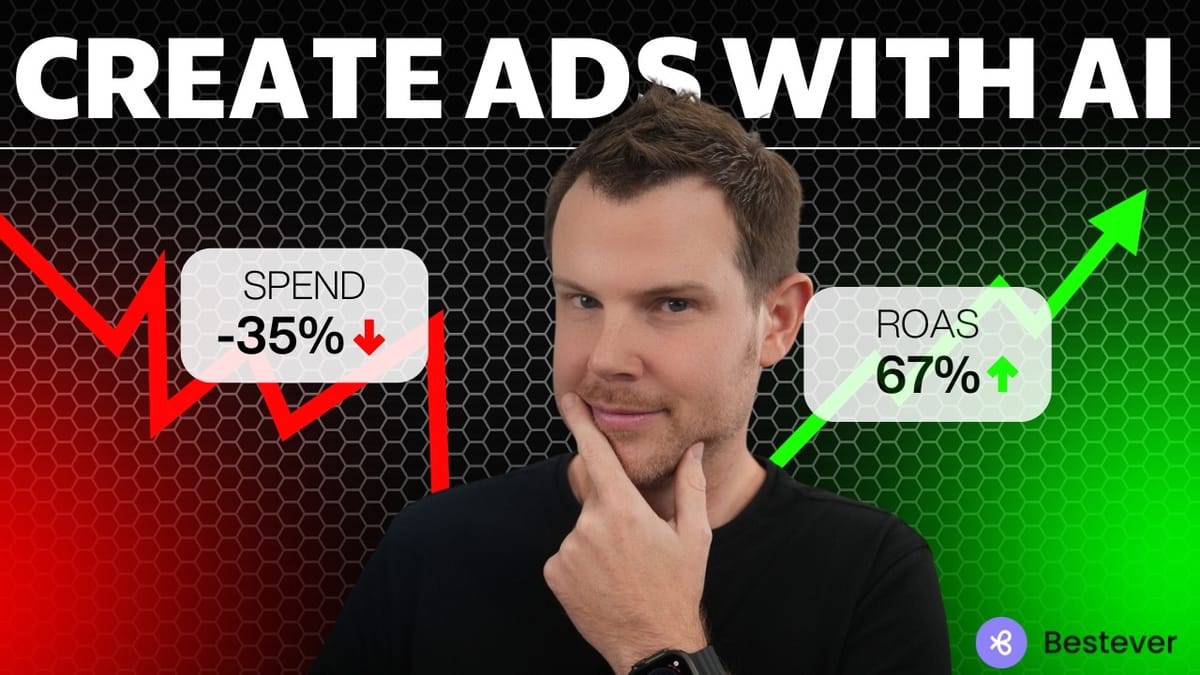
Bestever combines competitor ad analysis, AI-powered image and video ad creation, and performance insights into one tool — available as a lifetime deal starting at $39.

Bestever
An AI-powered platform that analyzes competitor ads, generates image and video ad creatives, and provides performance insights for Meta and LinkedIn campaigns.
Small business owners running Meta or LinkedIn ads, marketing agencies managing multiple client ad accounts, and entrepreneurs getting started with paid advertising.
AdCreative.ai, Foreplay, Motion, MagicBrief
What Is Bestever and Why Should You Care?
If you've ever stared at Facebook Ads Manager wondering what kind of creative will actually convert, Bestever might be the shortcut you've been looking for. It's an AI-powered ad tool that handles three core jobs: spying on your competitors' ads, generating your own image and video creatives, and analyzing your existing ad performance through a conversational chatbot.
The tool just dropped on AppSumo as a lifetime deal starting at $39, which makes it one of the more affordable entries into the AI ad generation space. Whether you're a solo founder trying to run your first Meta campaign or an agency juggling multiple client accounts, the pitch here is that Bestever can replace a chunk of the manual research and creative work that typically eats up hours of your week.
Setting Up Your Brand Profile
Getting started with Bestever is genuinely painless. You enter your website URL — or a client's URL — and the AI agents go to work scraping logos, product images, brand colors, and website copy. Within moments, it builds out a full brand profile complete with a description and visual assets.
The scraper does a solid job pulling in product images and logos automatically, though it's not perfect. Brand colors can skew toward packaging colors rather than your actual website palette, so you may need to manually add your primary brand colors using a hex code picker. You can also upload your own images and reorganize assets, though the organizational options between "products" and general images are a bit limited.
One of the more impressive onboarding features is automatic persona generation. Based on your website content, Bestever creates multiple customer personas — think "aspiring bodybuilder with a limited budget" or "busy professional seeking efficient nutrition." These personas feed directly into the ad creation process later, helping the AI target creatives to specific audience segments. You can edit any of them or add your own if you already have customer profiles built out.
Competitive Analysis: The Standout Feature
The competitor analysis might be the single most valuable feature in Bestever. You add a competitor by name, and within seconds the tool pulls in every ad they're currently running on Meta — creative assets, ad types, targeting strategies, and how long each ad has been live.
For a real-world test, adding Gorilla Mind as a competitor to a supplement brand surfaced 58 of their 65 active ads. But it goes well beyond just showing you the images. Bestever generates a detailed strategic summary covering their targeting approach, creative style, and campaign focus. In this case, it revealed that 49 out of 58 ads targeted warm audiences with only 9 going after cold traffic, and the vast majority were conversion-focused campaigns using static images rather than video.
That kind of insight is exactly what a marketing agency would charge you serious money to compile. Knowing that your biggest competitor is overwhelmingly focused on warm-audience conversion campaigns with static images tells you a lot about what's working in your market. You can also see how long each ad has been running — a longer run generally signals better performance — and you can click into any ad to view it full-size or save the creative for reference.
Inspirations: Browse and Clone What's Working
While the competitor section drills down on specific brands, the Inspirations feature casts a wider net. Search for any topic — like "supplements" — and you'll see a broad collection of currently running ads across the space. It's like having a curated swipe file that updates in real time.
The real magic here is the "Create Similar Ad" button that appears on every inspiration. Find an ad layout you like — say, a "choose your weapon" style comparing three products — and one click takes you straight into Bestever's ad composer with that creative as your style reference. It's the fastest path from "I like that" to "I made my own version."
Notably, this one-click creation flow isn't available in the competitor section yet, which feels like a missed opportunity. If you spot a competitor ad you want to riff on, you'd need to save the image and upload it manually as a reference. Hopefully that's a feature they add in a future update.
Creating Image Ads with AI
The image ad composer is where everything comes together. You select your ad type (image ad, LinkedIn post, catalog ad, or video), enter a brief description of what you want, choose a target persona, select product images to feature, and pick an aspect ratio. You don't need to write a full creative brief — a simple sentence like "create an ad comparing these three products" is enough to get started.
The AI generation is genuinely impressive. In testing with supplement products, it correctly assigned relevant benefit labels to each product, chose appropriate colors that matched the brand aesthetic (even without explicit color instructions), and produced compositions that looked professional enough to run. The typical AI text-generation quirks showed up — misspelled product names being the most common issue — but the remix feature lets you regenerate with specific corrections like "spell creatine monohydrate correctly" or "use a dark red background."
You can choose between GPT and Google as your generation model, and there's a built-in canvas editor for post-generation tweaks. It's not a full Canva replacement, but you can swap in real product photos, adjust text, change backgrounds, and resize elements. When you're satisfied, ads export as JPEGs or PDFs.
Video Ad Creation: Promising but Limited
Bestever can also generate video ads, though with some important caveats. The workflow starts by selecting your brand, entering a concept, choosing a target persona, and picking product images to feature. You'll then select an AI-generated actor from several options and pair them with a voice — options range from "competent young American male" to "casual natural male," and the quality is genuinely good.
Video ads are built through a storyboard system. The AI generates a script broken into scenes, each with its own visual approach. You can preview and generate each scene individually, and the results are solid for what they are — the tool can animate still photos into surprisingly lifelike video clips. Lip sync isn't perfect, but the visual quality is compelling enough to stop a scroll.
The main limitation is customization. You can't create custom avatars or clone your own voice, which puts it behind dedicated video ad tools. Videos max out at 30 seconds, and the AI-generated look is still clearly artificial. That said, plenty of brands are already running AI-generated video ads on social media, so the practical barrier may be lower than the aesthetic one. Once your scenes are ready, you merge them into a single video with an editor that supports captions and clip trimming.
Ad Performance Analysis and Reporting
Connect your Meta or LinkedIn ad accounts and Bestever unlocks its analysis features. The standout here is the conversational AI analyst — essentially a chatbot trained on your ad data. You can ask natural-language questions like "What are my top creatives by return on ad spend?" or "What's my average CTR across top-of-funnel campaigns?" and get real answers pulled from your actual performance data.
This is the feature that genuinely feels like it replaces a human expert. Instead of digging through Meta Business Manager trying to cross-reference metrics, you just ask. Sure, you could export your data and upload it to ChatGPT or Claude, but having it connected and queryable in real time removes significant friction.
The reporting section rounds things out with customizable report templates. You can build reports filtered by metrics like spend, clicks, impressions, and frequency, group ads by creative type or campaign objective, and set minimum thresholds (like only showing ads with 1,000+ impressions). Creative-specific reports let you analyze individual elements like hooks, calls to action, and color schemes to understand what's actually driving performance.
Pricing and AppSumo Tier Breakdown
Bestever's AppSumo lifetime deal starts at $39 for Tier 1, but the tier you choose matters quite a bit. Tier 1 gets you image generation but zero video credits, making it best suited for someone who only needs static ad creatives and competitor research.
Tier 2 and above unlock unlimited image generation and introduce video credits — 200 on Tier 2, 400 on Tier 3, and 800 on Tier 4. Tier 3 also adds unlimited brand analysis, which is a meaningful upgrade for agencies. Tier 5 pushes video credits up to roughly 3,500, making it the clear choice for heavy video ad production.
For most users, Tier 2 hits the sweet spot: unlimited images, enough video credits to experiment, and a price point that's still a fraction of what you'd pay a consultant for a single competitive analysis. If you're an agency managing multiple brands, Tier 3's unlimited brand analysis makes it worth the step up.
What's Missing and Room for Improvement
Bestever isn't without its rough edges. The biggest gap is the lack of direct integration back into Meta — all the data flows in from your ad accounts, but you can't publish ads directly from the tool. You'll still need to download your creatives and upload them through Ads Manager or a scheduling tool.
There's also no team collaboration feature, which limits its usefulness for agencies with multiple team members. You can share competitive analyses via a generated URL, but it includes Bestever branding in the banner — fine for internal use, awkward if you're sending it to a client.
The "Create Similar Ad" button in the Inspirations section is great, but its absence from the Competitor section feels like an oversight. Being able to one-click generate a variation on a competitor's top-performing ad would be a killer workflow. And while the video generation is functional, the inability to use custom avatars or voice cloning puts it behind dedicated tools in that specific category.
Final Verdict: 7.9/10
Bestever earns a 7.9 out of 10. It's one of the better AI ad tools available, particularly when you consider the lifetime deal pricing. The competitive analysis alone could justify the cost — getting a detailed breakdown of a competitor's entire ad strategy in seconds is genuinely powerful. Layer on AI image generation, serviceable video creation, and a conversational analytics chatbot, and you've got a tool that punches well above its price point.
For anyone just getting started with paid advertising, Bestever provides a solid foundation. The competitor research gives you a roadmap for what's working in your market, the persona system helps you think about audience targeting, and the AI creative tools lower the barrier to producing decent-looking ads. For agencies and consultants, it's a force multiplier — you'll be able to serve more clients or free up time for higher-value strategic work.
The tool isn't replacing a full creative team or a seasoned media buyer, but at $39 to $150 for lifetime access, it doesn't need to. If it saves you even a few hours of competitor research and ad creation per month, it's paid for itself.
Watch the Full Video
Prefer watching to reading? Check out the full video on YouTube for a complete walkthrough with live demos and commentary.