Lifetime Deals: 3 Types Worth Buying (And Red Flags)
With five or six new lifetime deals launching every day, knowing which ones are worth your money has never been more important. Here's a framework for evaluating LTDs based on three deal types that actually make sense.

What Is a Lifetime Deal (And Why Should You Care)?
A lifetime deal, or LTD, is exactly what it sounds like: you pay once for a piece of software instead of signing up for a monthly subscription. The concept has been around since at least 2013, back when we were all still getting comfortable with the idea of paying monthly for tools we used to buy outright.
The premise is simple. A software company wants to attract new users quickly, so they offer a one-time payment in exchange for indefinite access. Early on, this was a relatively rare tactic. Today, it's exploded. There are easily five or six new lifetime deals being launched to the business community every single day, which makes it nearly impossible to keep up — and much harder to separate the gems from the duds.
The Growing Problem with Lifetime Deals
With so many LTDs flooding the market, problems are becoming more visible. One of the biggest issues is acquisitions. When a company that offered lifetime deals gets acquired or takes on venture capital, those early adopters who believed in the product often get pushed aside. Instead of being rewarded for their loyalty, they find themselves downgraded to the equivalent of free-tier users. It's not universal, but it's happening more frequently than ever.
The other pattern that's becoming all too familiar is the dissolving LTD company. A team launches a product with a big splash, the developers are highly engaged during the promotion period, and then... silence. Six to twelve months later, the product shuts down with a vague explanation about not finding sustainable recurring revenue. Sometimes the marketplace steps in with refund credits, but often customers are simply left holding the bag.
So who's to blame? The marketplaces for not vetting developers thoroughly enough? The developers for accepting acquisition offers that sacrifice their early supporters? Both are valid criticisms, but the uncomfortable truth is that we can't control either of those parties. What we can control is our own buying behavior — and that's where the real power lies.
Type 1: The Early Adopter Deal (Highest Risk, Highest Reward)
This is what most people picture when they think of lifetime deals. A brand-new company with a brand-new product and zero customer base offers a one-time payment to get early users onto their platform. The goal is straightforward: attract people who'll use the product, provide feedback, and help the company improve before it transitions to a recurring revenue model.
This is the riskiest type of LTD, but it's also how companies like Zapier and Dropbox got their start — both ran AppSumo deals in their early days. The key with early adopter deals is to keep your expectations in check and your bets small. These work best for simple, focused tools that accomplish a single task well. If a brand-new company is promising to replace your entire tech stack for a one-time fee, that's a red flag, not an opportunity.
Type 2: The Lifetime-Lifetime Deal (Proven and Profitable)
The second type is what I call the "lifetime-lifetime deal" — software that was designed from the ground up to be sold as a one-time purchase. Products like ThriveCart and ConvertBox fall into this category. They've been available as lifetime offers for years, and while they occasionally use urgency tactics to drive sales, the reality is that their business model is built around the math working in their favor.
Every software company knows the lifetime value of their customers. They know the average subscriber cancels after six or seven months. They understand their support overhead. So when a company like ThriveCart can sustain the same lifetime offer for five, six, or seven years running, you can be confident they're turning a healthy profit. Their marketing costs are minimal too — they typically only pay to acquire customers through affiliate commissions, meaning someone else does the promotion for them.
This model might sound questionable at first glance, but aside from the occasional false scarcity messaging, it's a perfectly sound business decision. These companies determined that higher conversion rates on a one-time offer generate more total revenue than a traditional subscription model. That's a good sign for buyers, because it means the product isn't going anywhere.
Type 3: Self-Hosted Software (The Lowest Risk)
The third category — and the one with the least risk — is self-hosted software. Think WordPress plugins, self-hosted applications, and tools where you're paying for the bandwidth and hosting yourself. The developer's ongoing obligation is primarily continued development and updates, not massive infrastructure bills.
This matters because one of the main reasons LTD companies fail is that they can't sustain the server costs that come with thousands of lifetime users. When you're hosting the software yourself, that pressure largely disappears. The company still needs to pay its developers, which isn't cheap, but it removes the ticking time bomb of a ballooning AWS bill. Self-hosted LTDs like WordPress plugins from companies such as FluentCRM, Fluent Forms, and NinjaTables tend to be among the most sustainable lifetime purchases you can make.
Warning Signs That an LTD Will Fail
If an offer seems too good to be true — if a tool promises to replace every facet of your business and drop your monthly expenses from thousands of dollars to a one-time payment of $500 — it almost certainly is too good to be true, and it will likely disappear in the near future.
Another major red flag is when you see the same tool appearing on lifetime deal marketplaces over and over again, especially when that tool has significant monthly overhead. Video hosting platforms and webinar tools, for example, have enormous bandwidth costs. If they keep running lifetime promotions instead of building sustainable recurring revenue through traditional marketing, the math simply doesn't add up.
The one exception is when a company has a strong upsell strategy. Some businesses use lifetime deals as a lead generation tool — they sell a base product at a one-time price, then convert a meaningful percentage of those customers into monthly subscribers for premium features. If the upsell is genuinely valuable and customers are happy to pay for it, this can actually be a sustainable model.
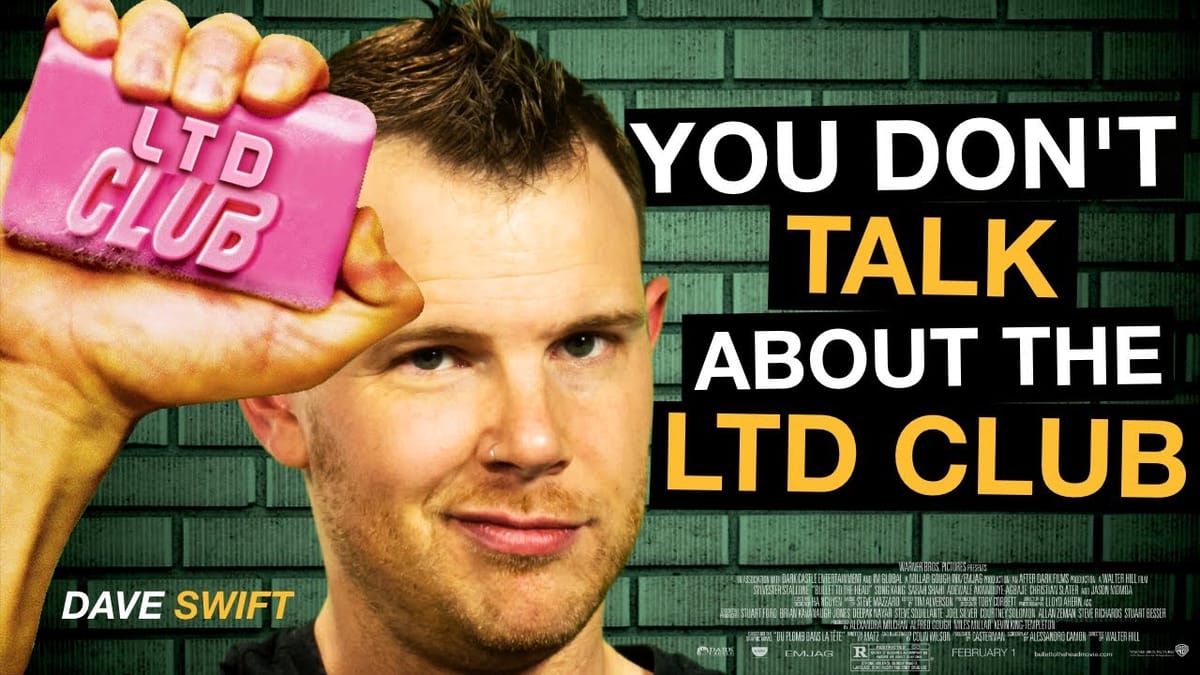
The First Rule of the LTD Community: Don't Talk About It
Here's the counterintuitive advice that can actually make the LTD ecosystem healthier for everyone: if you find a lifetime deal that genuinely improves your business, don't tell people you got it as a lifetime deal. Instead, promote the product itself. Tell the world how great it is. Sign up as an affiliate. Write reviews, make videos, share it in communities — just focus on the product's value, not how cheaply you acquired it.
Why? Because we need these tools to succeed. If the software you depend on can't acquire paying monthly subscribers, it won't survive. Every time you steer someone toward the lifetime deal instead of the regular pricing, you're potentially undermining the long-term viability of a tool you rely on. Just because you got a great deal doesn't mean you need to rub it in everyone's face.
The same logic applies when someone asks for a tool recommendation. Don't just blindly send them to whatever's currently on sale at an LTD marketplace. Only recommend products you've actually bought, tested, and verified that the developer is committed to. That way, the person you refer to won't end up burned six months later when the product disappears.
Final Thoughts: Buy Smart, Promote Smarter
Statistics tell us that 45% of all businesses fail within the first five years. When you factor in that the number of companies launching lifetime deals has exploded, it's no mystery why so many LTDs seem to be going under. There are simply more of them, and many are run by teams that received a huge capital injection from their launch but never developed a reliable plan for acquiring recurring revenue. They overhire, overspend, and eventually either get acquired on unfavorable terms or go broke.
The takeaway is straightforward. Next time you're about to click that buy button, run the deal through the three-type framework. Is it an early adopter deal for a simple, focused tool? Is it a proven lifetime-lifetime product with years of track record? Is it self-hosted software where your own infrastructure carries the load? If it doesn't fit neatly into one of those categories, think twice.
And if you do buy something great, promote the product — not the deal. If it's terrible, use the return policy and move on. No drama needed. The healthiest thing the LTD community can do is quietly support the products that deserve it and let the marketplaces handle their own marketing.
Watch the Full Video
Prefer watching to reading? Check out the full video on YouTube for a complete walkthrough with live demos and commentary.