Video on Your Website Explained: CDN, Players & More
A clear breakdown of how website video actually works — from CDNs and video hosting to players like Presto Player and Bunny.net — so you can make the right choice for your site.

How Video on Your Website Actually Works
If you've ever tried to add video to your website and felt confused by all the options, you're not alone. It's one of the most common questions that comes up, especially for course creators and membership site owners.
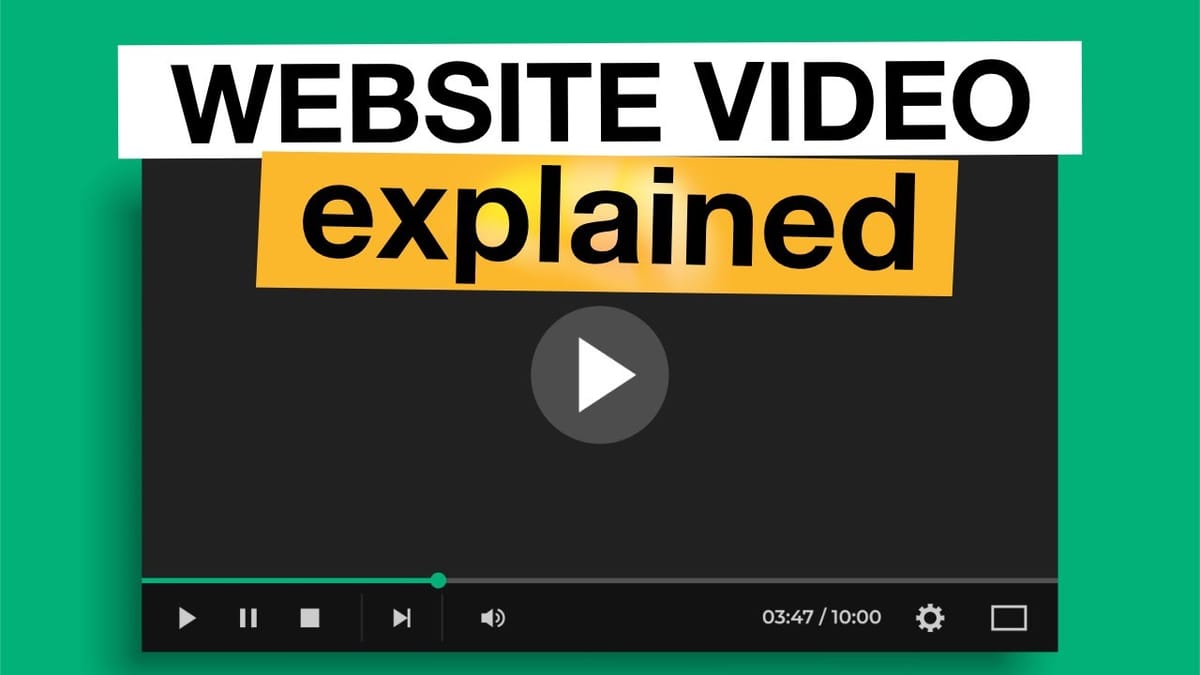
The key thing to understand is that website video has two distinct components: the video file itself and the video player. Think of it like the old days of MP3s — you needed both the music file and a player like Winamp or iTunes to actually listen to anything. Without both pieces, nothing works.
When someone visits your site and sees a video thumbnail with a play button, that play button is provided by the video player software running on your website. The visitor doesn't need to download or install anything. Meanwhile, the actual video file is almost always being delivered from a completely different server than the one hosting your website. That's by design — web servers and video delivery are fundamentally different jobs that require different infrastructure.
Video Hosting and CDNs: Where Your Files Live
The server responsible for delivering your video files is called a CDN, or Content Delivery Network. A CDN is optimized specifically for streaming large media files quickly and reliably to viewers around the world. Your regular web hosting server, on the other hand, is built for serving web pages — trying to make it do both jobs well is a recipe for poor performance.
There are plenty of solid CDN and video hosting options out there. Bunny.net is a standout because it bundles a basic video player at no extra cost alongside its CDN service. Vimeo is another popular choice. Most video hosts will include some form of basic player, which is usually enough to get started.
The important takeaway is that your video hosting choice is what primarily determines playback performance for your viewers. A fast, well-distributed CDN means smoother streaming and less buffering, regardless of which player you use on the front end.
Video Players: Basic vs. Feature-Rich
Once you have a video host sorted, the next decision is which player to use. The free player that comes with most video hosting services handles the core job — playing back video to your visitors — perfectly well. For many site owners, that's all you need.
However, if you want more advanced features, dedicated video player plugins offer a significant upgrade. Presto Player and FV Player are two popular WordPress options that add marketing-oriented features on top of standard playback. Think email capture overlays, chapter markers, playback speed controls, and analytics.
One thing to keep in mind: the player itself doesn't really impact video performance. You might see marketing claims about lazy loading, which delays the video from loading until someone actually clicks play. That's a website speed optimization — it makes your page load faster — but it doesn't change the actual video playback experience. Playback quality comes down to the CDN, the viewer's internet connection, and their device capabilities.
Protecting Video Content for Courses and Memberships
A common point of confusion is how video players interact with protected content — like online courses or membership areas where users need to log in. The good news is that content protection is handled entirely by your LMS (Learning Management System) or membership plugin, not the video player.
Plugins like LearnDash or WP Fusion control who can access which pages. The video player sitting on those pages doesn't know or care whether the page is protected. It just plays the video when someone lands on the page. So you can confidently use Presto Player, Bunny.net's built-in player, or any other player on protected pages without any conflict.
The bottom line: pick your video host based on performance and price, pick your player based on the features you need, and let your course or membership plugin handle access control. Each tool has its own job, and they work together without stepping on each other's toes.
Watch the Full Video
Prefer watching to reading? Check out the full video on YouTube for a complete walkthrough with live demos and commentary.