WP Social Ninja Social Chat Review: Live Chat Widget Demo
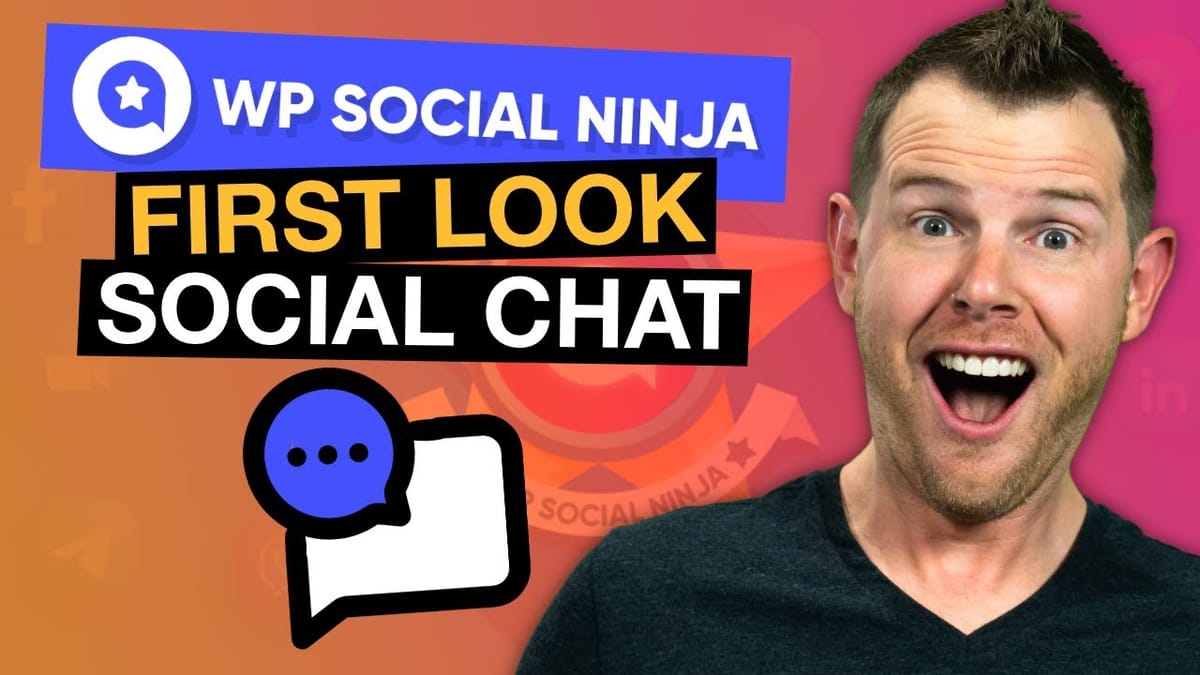
WP Social Ninja lets you add social chat widgets from Facebook Messenger, WhatsApp, and Telegram to your WordPress site. Here's a hands-on demo and honest review of what works and what still needs improvement.

WP Social Ninja
A WordPress plugin that lets you embed social media feeds, reviews, and chat widgets from platforms like Facebook Messenger, WhatsApp, and Telegram directly on your website.
WordPress site owners and small businesses who want to offer live chat through social platforms without slowing down their site.
Facebook Chat Plugin, Tidio, LiveChat, Chaty
What Is WP Social Ninja's Social Chat Feature?
WP Social Ninja is a WordPress plugin built by WP Managed Ninja — the team behind popular tools like Fluent Forms, Fluent CRM, Ninja Tables, and Fluent SMTP. The plugin covers three major feature areas: displaying social media feeds on your site, showing social reviews, and adding social chat widgets. This review focuses specifically on the social chat functionality.
The social chat feature lets you place a chat widget on your WordPress site that connects visitors to your existing social messaging platforms. Instead of building a proprietary chat system, WP Social Ninja bridges the gap between your website and the messaging apps your audience already uses — currently supporting Facebook Messenger, WhatsApp, and Telegram.
This is part three of a series covering each major feature of WP Social Ninja individually. The other two installments cover social feeds (Instagram, Twitter, YouTube embeds) and social reviews, which is arguably the standout feature of the plugin. Breaking it up this way lets you zero in on the feature that matters most to your business.
Social Chat Demo: Setting Up Your First Widget
Getting started with the social chat widget is straightforward. You create a new widget from the WP Social Ninja dashboard and add your preferred channels. Each channel requires basic account info — for Facebook Messenger, that's your Facebook page username or ID. You can stack multiple channels on a single widget, so visitors can pick whichever platform they prefer.
The widget itself is that familiar floating bubble you see in the corner of many websites. WP Social Ninja gives you solid control over how it looks and behaves. There are four chat box templates — general, support, feedback, and sales — each with slightly different layouts. You can also strip it down to icon-only mode, which simply opens a Messenger window when clicked. Most businesses will probably want the full chat box since it gives that native on-site chat feel.
Customization goes deeper than templates. You can set a custom header with your name and title, upload a profile photo, write a personalized welcome message, and tweak the bubble icon and text. Positioning options include all four corners of the screen, and there's an auto-open setting so the chat box greets visitors without waiting for a click. Color controls let you match the widget to your brand — header background, button colors, and the widget bubble itself are all adjustable.
One particularly useful feature is the online/offline scheduling. You can set specific days of the week and time windows when you're available, and the widget will automatically display your status accordingly. Outside those hours, visitors see a "will be back soon" message instead of expecting an instant reply.
Page-Level Display Controls
Unlike WP Social Ninja's feed and review features, which generate shortcodes you place on specific pages, the chat widget uses a global display system with granular overrides. By default, the widget shows everywhere on your site, but you can restrict it to specific pages.
This opens up some smart possibilities. You could set up a sales-focused Messenger widget on your product and pricing pages, while placing a support-oriented widget on your documentation or FAQ pages. Each widget is independently configured, so different pages can present different channels, branding, and messaging to match the visitor's intent on that particular page.
Pros: Performance and Multi-Platform Support
The strongest selling point of WP Social Ninja's chat feature is performance. The widget loads without any noticeable impact on page speed. WP Managed Ninja has a reputation as a developer-centric company, and it shows — the code is lean and efficient. If you've tried Facebook's own WordPress chat plugin and noticed it dragging your site down, this is worth testing as an alternative.
The multi-platform approach is the other major advantage. Facebook's official plugin only gives you Messenger. WP Social Ninja currently supports Messenger, WhatsApp, and Telegram, and the developers have indicated they plan to add more platforms over time. As more people move away from Facebook, having multiple chat options means you won't lose potential conversations just because a visitor doesn't use Messenger. If the platform count grows to six or eight channels, this becomes a genuinely compelling offering for businesses that need to meet customers wherever they already are.
Cons: No Native Chat and Unified Inbox Needed
The most obvious limitation is that there's no way to chat with visitors directly on your WordPress site without routing through a social platform. Every conversation goes through Messenger, WhatsApp, or Telegram — WP Social Ninja is a bridge, not a standalone chat solution. While it would be nice to have everything self-contained, this is actually a reasonable technical trade-off. WordPress simply isn't built for real-time messaging infrastructure, which is why even dedicated WordPress chat plugins route you to external SaaS platforms behind the scenes.
The practical downside of the multi-platform approach is that you'll need a separate unified inbox tool to manage incoming messages. Without one, you'd be bouncing between Telegram, WhatsApp, and Messenger checking for new conversations — which defeats the convenience factor. Something like a social inbox or helpdesk tool that aggregates messages from multiple platforms becomes essential if you're using more than one channel.
These aren't dealbreakers, but they're worth factoring into your decision. WP Social Ninja handles the front-end widget beautifully, but you'll need to think about your back-end workflow for actually managing the conversations it generates.
Final Verdict: Should You Use WP Social Ninja for Chat?
WP Social Ninja's social chat feature is a well-executed widget that does exactly what it promises — puts a fast, customizable, multi-platform chat bubble on your WordPress site. The styling options are solid, the performance is excellent, and the page-level display controls add genuine flexibility.
If you're already considering WP Social Ninja for its social feeds or reviews features, the chat widget is a strong bonus that rounds out the plugin's value. As a standalone chat solution, it's best suited for businesses that want to funnel website visitors into their existing social messaging workflows rather than adopting a full-blown live chat platform. Keep in mind you'll want a unified inbox solution on the back end to keep things manageable as you add more channels.
Watch the Full Video
Prefer watching to reading? Check out the full video on YouTube for a complete walkthrough with live demos and commentary.