LMS Platforms Compared: Marketplace vs Hosted vs WordPress
Three types of online course platforms compared: marketplaces, hosted solutions, and WordPress plugins. This guide covers the pros and cons of each approach for course creators. Helps you choose based on budget, control, and where your students already are.

The Promise of Selling Online Courses
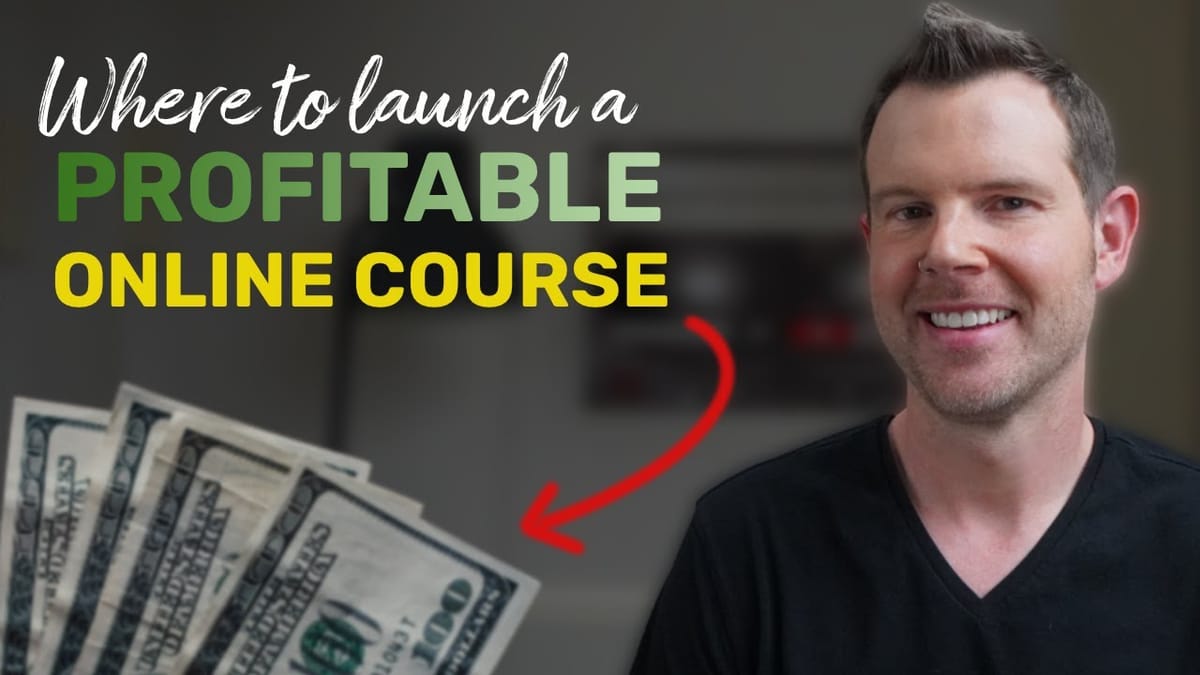
The pitch is irresistible: take knowledge you already have, package it into a digital product, and sell it to thousands of people for essentially limitless income. It sounds too good to be true, but it isn't. Course creators running WordPress and WooCommerce are pulling in six and seven figures a year — that's not speculation, that's what I see firsthand managing their websites.
So why isn't everyone doing it? One of the biggest barriers is simply figuring out where to actually host and sell your course. There are hundreds of platforms out there, but they all fall into three distinct categories — and each one comes with trade-offs that can seriously impact your business down the road.
Option 1: Course Marketplaces Like Udemy and Skillshare
The first option is a marketplace — platforms like Udemy or Skillshare where buyers are already browsing and searching for courses. The appeal is obvious: you don't need an existing audience, you don't need to run ads, and there's zero upfront cost. Just upload your content and hope the algorithm does the rest.
In practice, the competition is brutal. Even a niche topic like knitting returns 183 results on Udemy, with the top listings stacked with hundreds of reviews. By the time you scroll to the bottom of page one, courses have single-digit reviews and almost no visibility. It's the same dynamic as Amazon — the rich get richer.
To win on a marketplace, you either need serious name recognition, a mountain of positive reviews, or a topic so obscure that nobody else has thought to create a course on it yet. That last option is getting harder every year. For most creators, marketplaces are a long shot unless you're willing to treat course creation like an SEO game with no guarantee of results.
Option 2: All-in-One Hosted Platforms
The second category is the all-in-one hosted platform — think Kajabi or Thinkific. These are the services you hear about from influencers and lifestyle business gurus promising that everything you need is under one roof: course hosting, community features, website builder, funnel builder, email marketing — the whole package for a few hundred dollars a month.
The pitch is compelling, but the reality I see after migrating people off these platforms tells a different story. Creators start with the all-in-one and quickly discover that the built-in email marketing isn't powerful enough, or the sales funnel options are too limited. Before long, they've bolted on ClickFunnels for landing pages, ConvertKit for email, and Zapier to glue everything together. What started as one simple subscription has ballooned into four or five separate services.
There's also a major portability problem. If you decide to move from Thinkific to Kajabi, there's no export-import button that bridges the two. You'd have to manually recreate all your course content and then ask every existing customer to set up a brand-new account. That means months — sometimes years — of support requests from confused users who can't log in. It's a logistical nightmare that locks you into a platform even when it's no longer the right fit.
Option 3: WordPress and LearnDash
The third option — and the one I personally recommend — is open source, which in the LMS world essentially means WordPress. Specifically, I use a plugin called LearnDash, and it's the platform behind some of the most successful course businesses I manage.
The biggest advantage is flexibility. With WordPress, you can customize every aspect of your course business to match your exact needs. And you probably won't know what those needs are until you're a year or two in. Maybe you realize you need automated follow-up emails after the first module. Maybe you need a specific checkout flow. With WordPress, if a plugin doesn't already exist for it, you can hire a developer to build exactly what you need.
Portability is another major win. If you outgrow your hosting provider or want to switch to a faster server, you spin up a new host, migrate the site, and your customers never even notice. There's no account recreation, no lost access, no months of confused support tickets. Your entire course library, user database, and progress tracking moves with you seamlessly.
Addressing the WordPress Complexity Concern
The most common criticism of WordPress is that it's too complex for the average person, and that's not entirely wrong. The setup process has a steeper learning curve than signing up for Kajabi and clicking through a wizard. WordPress has a long way to go in making the onboarding experience smoother.
That said, services like LearnDash Cloud have dramatically lowered the barrier to entry. For around $30 a month — or $300 a year if you pay annually — you get a fully hosted WordPress site with LearnDash included. No separate hosting to configure, no license fees to track. Compare that to $200–$500 per month for platforms like Kajabi, and the value proposition is hard to ignore.
You'll still want to add email marketing software and possibly a landing page builder as your business grows, so it won't be your only expense. But if you have an audience and want to test whether a course idea has legs, $30 a month is an incredibly low-risk way to find out. And as your revenue grows, you simply outsource the WordPress management to professionals and focus on creating content.
Which LMS Platform Should You Choose?
Each of these three platform types serves a different stage and strategy. Marketplaces like Udemy work if you have no audience and are willing to compete on discoverability alone — but the odds are stacked against you. All-in-one platforms like Kajabi and Thinkific offer convenience upfront but often lead to vendor lock-in and tool sprawl as your needs evolve.
WordPress with LearnDash gives you the most control, the best portability, and the lowest long-term cost — especially now that managed options like LearnDash Cloud make getting started nearly as simple as signing up for a hosted platform. The trade-off is a slightly steeper learning curve, but that investment pays dividends as your course business scales and your requirements become more specialized.
For creators who are serious about building a sustainable course business — not just testing the waters on a marketplace — WordPress remains the platform that million-dollar course creators keep coming back to.
Watch the Full Video
Prefer watching to reading? Check out the full video on YouTube for a complete walkthrough with live demos and commentary.
Final Verdict
Each LMS category serves a different creator. Marketplaces like Udemy give you traffic but take your margins. Hosted platforms like Teachable balance ease with control. Self-hosted WordPress solutions like LearnDash give you everything but require technical investment.
Choose based on where you are today, not where you hope to be. Start with a hosted platform if you are launching your first course. Move to self-hosted when you have proven demand and want full ownership of the student experience and revenue.
Frequently Asked Questions
What is an LMS platform?
An LMS (Learning Management System) is software that lets you create, deliver, and manage online courses. It handles student enrollment, content delivery, progress tracking, and often payment processing.
What are the main types of LMS platforms?
The three main types are marketplaces like Udemy where you list courses, hosted platforms like Teachable that handle everything, and self-hosted solutions like LearnDash that run on your own website.
Which LMS type is best for beginners?
Hosted platforms like Teachable or Podia are best for beginners since they handle hosting, payments, and technology. You can focus on creating content rather than managing infrastructure.
Is a WordPress LMS plugin better than a hosted platform?
WordPress LMS plugins offer more customization and no recurring platform fees, but require WordPress expertise. Hosted platforms are simpler to use but charge monthly fees or transaction percentages.
What LMS platforms support paid memberships?
Most LMS platforms support paid memberships including Teachable, Podia, LearnDash with MemberPress, and Thinkific. Each handles recurring billing differently through Stripe or PayPal integrations.
Get Dave's Toolbox
The tools I actually use, every Tuesday. Free. No spam.
No cost. No spam. Unsubscribe anytime.